
When how to stop gambling becomes relevant, the goal is not to find a better strategy for winning. It is to reduce harm and rebuild control over time, money and attention. Small barriers—such as removing apps amoicuci, blocking payments and handing over financial access temporarily—can create space for better decisions.
You do not need to solve every problem at once. The first priority is to prevent the next avoidable loss and create enough distance from gambling to make calmer financial and personal decisions.
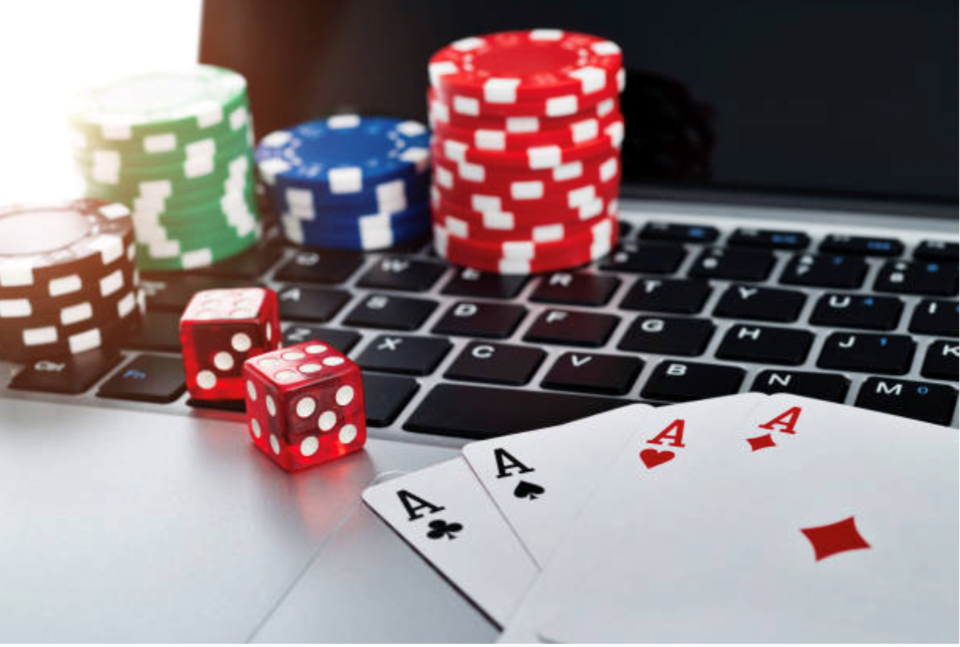
Recognise the Pattern, Not Just the Size of a Loss
With how to stop gambling, the concern is not limited to one large loss. Warning signs can include spending longer than intended, repeatedly chasing losses, borrowing to gamble, hiding activity 1bet2u, missing bills, feeling restless when trying to stop or using gambling to escape stress. Someone can experience harm even without gambling every day. What matters is whether gambling is reducing financial stability, emotional wellbeing or control over daily life.
Create Barriers Between an Urge and a Bet
Immediate practical barriers can be more reliable than willpower alone. Remove gambling apps and saved payment methods, use account self-exclusion where available, enable bank or card gambling blocks if your provider offers them, and ask a trusted person to help manage money temporarily. Move essential funds to an account that is harder to access impulsively. The goal is to make the next gambling decision slower, giving the urge time to pass.
Do not chase the money already lost
Loss chasing often feels like a plan to return to zero, but it usually increases exposure to further losses. Money already lost should be treated as gone for budgeting purposes. Protect rent, food, utilities, debt repayments and savings first, then work on a realistic repayment or recovery plan that does not depend on gambling winnings.
Use Professional and Social Support
A healthcare professional, counsellor or specialist gambling service can help assess the pattern, identify triggers and build a treatment plan. Cognitive and behavioural approaches, financial counselling and peer support may all play a role depending on the person. If gambling is linked with severe anxiety, depression, thoughts of self-harm or immediate danger, seek urgent local medical or emergency support. You do not need to wait for the financial situation to become catastrophic before asking for help.
Plan for High-Risk Moments and Relapse
Stopping gambling is easier when you know the situations that usually trigger it: payday, boredom, alcohol use, sporting events, conflict or being alone with unrestricted access to money. Replace the routine in advance with an activity that occupies the same time, and decide who you will contact if the urge becomes strong. A lapse does not erase previous progress, but it is a signal to strengthen barriers and support rather than trying to win back the loss.
Financial repair may need its own plan alongside stopping gambling. List essential bills, debts and upcoming obligations, then prioritise them without assuming future gambling wins will help. A debt adviser or financial counsellor can help structure repayments. Replacing uncertainty with a realistic budget can reduce some of the pressure that triggers further gambling.
Conclusion
For how to stop gambling, the most important step is reducing harm rather than recovering losses. Add barriers to access, protect essential money, involve someone you trust and seek professional support when control is difficult. Change is usually built through repeated practical steps, and help is appropriate even before the situation reaches a crisis.